Day visit or several days
Feeders and photography
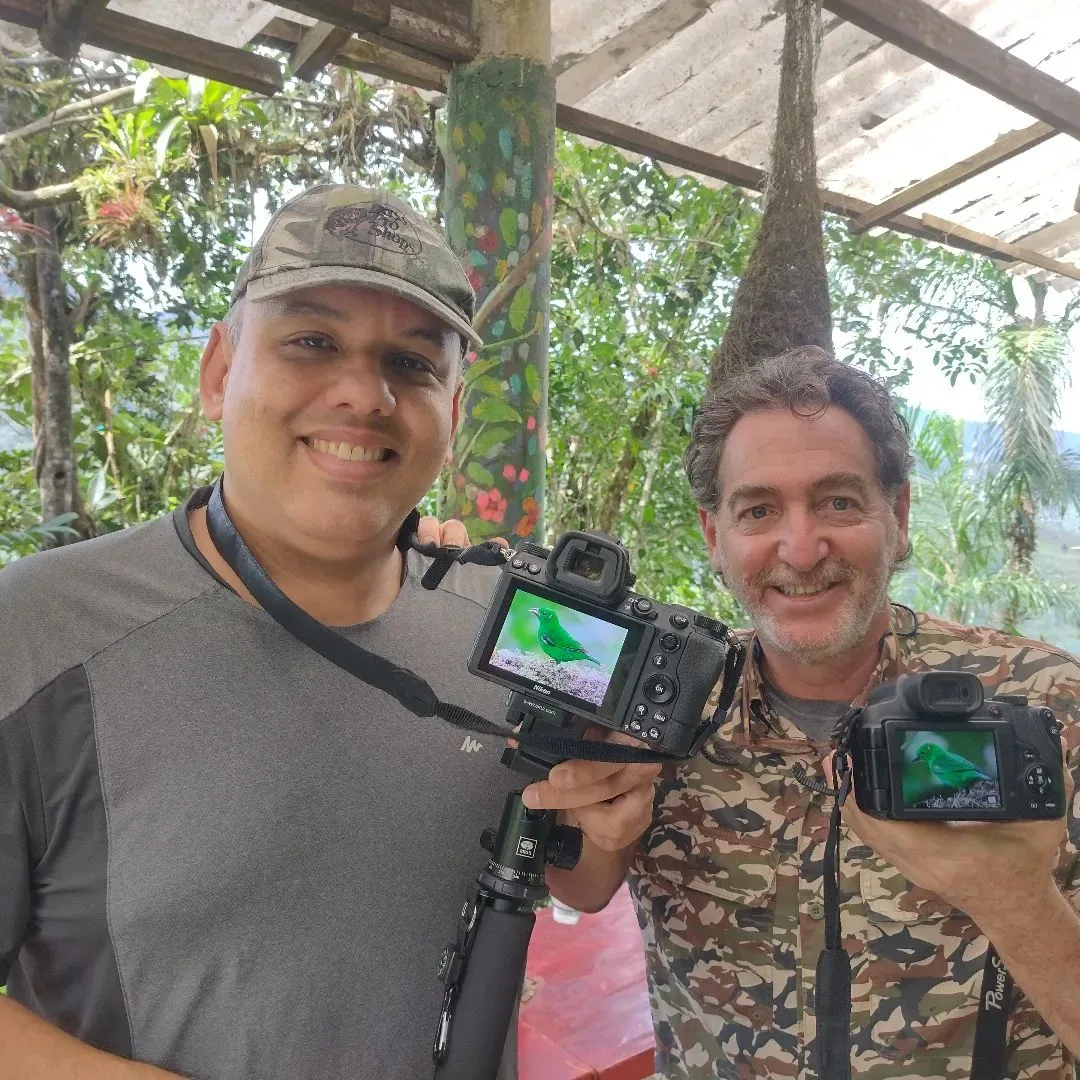
The viewing decks, open from 6 a.m. This is the plan if you came to photograph with time and light on your side.

Queremal · Dagua · Valle del Cauca, Colombia
Where the Toucan Barbet lets you photograph it at three metres.
The place
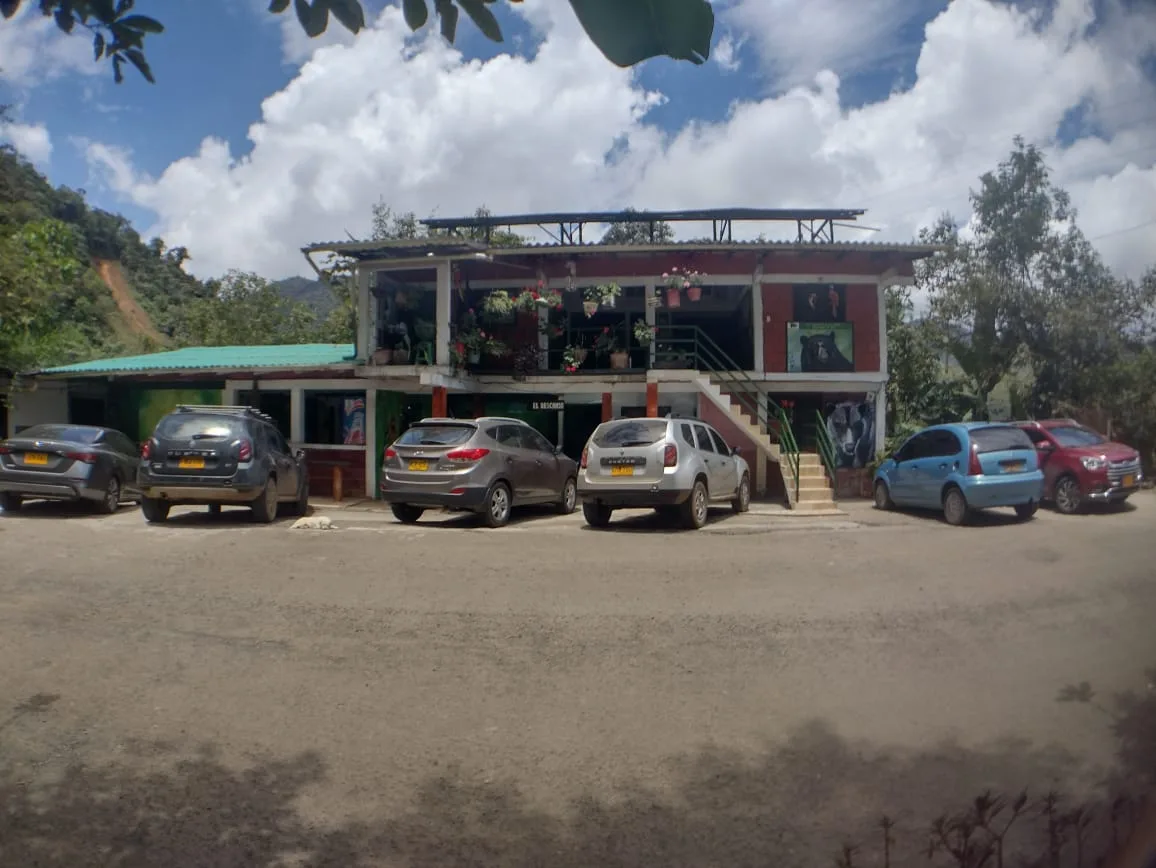
The farm is called El Descanso and sits at kilometre 55 of the old road to the sea, the route that took you from Cali to the port of Buenaventura before the new one opened. Dora has been cooking there since 1998. You arrive, you sit on the corridor, and the birds come down to feed a few metres from the table.
The fruit goes out every day: papaya, guava, banana and ripe plantain for the tanagers, and the sugar feeders for the hummingbirds. That consistency, kept up since 2010, is why the birds turn up when they turn up and why the Toucan Barbet shows almost daily.
The house sits at 1,300 metres on the Pacific slope. It rains often and holds around 22 °C all year. That humidity is the reason for the species count: this is where the Chocó avifauna meets the Western Andes.
Open every day, 6 a.m. to 6 p.m. You can come for the day or stay over; there are four rooms. The whole family runs it: Dora, don Luis, and their children and grandchildren.
The house bird
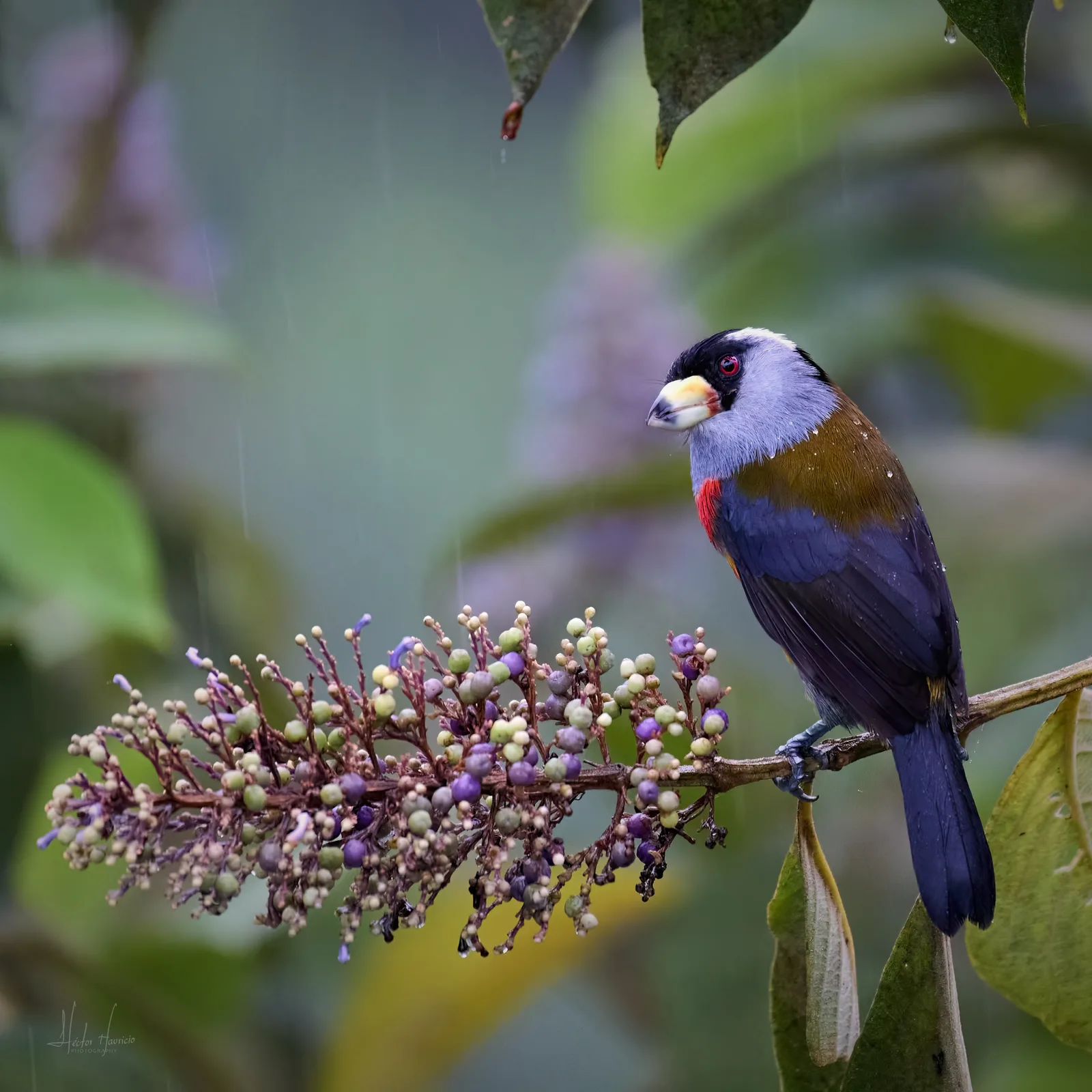
Semnornis ramphastinus · «el compás», as the house calls it
Seven colours you take in at once: black crown, grey face, red breast, golden flanks, olive back, pale bill and the white line above the eye.
It has a song with the rhythm of a symphony, a cluck it uses when it finds food, and a short click to call the chick while feeding it. The bill works as a cutting tool: it bores into dry trunks to build the nest. That is Dora's own description, after sixteen years of watching it every day.
This is a Chocó bird — it lives only on the Pacific slope of Colombia and western Ecuador. At Doña Dora it shows up almost every day, a few metres away, with no hide and no waiting.
Have you ever seen a Toucan Barbet before? It will surprise you.
Where you watch
The house is laid out in levels: each floor opens onto a different height of forest, and different birds come to each one.
First floor
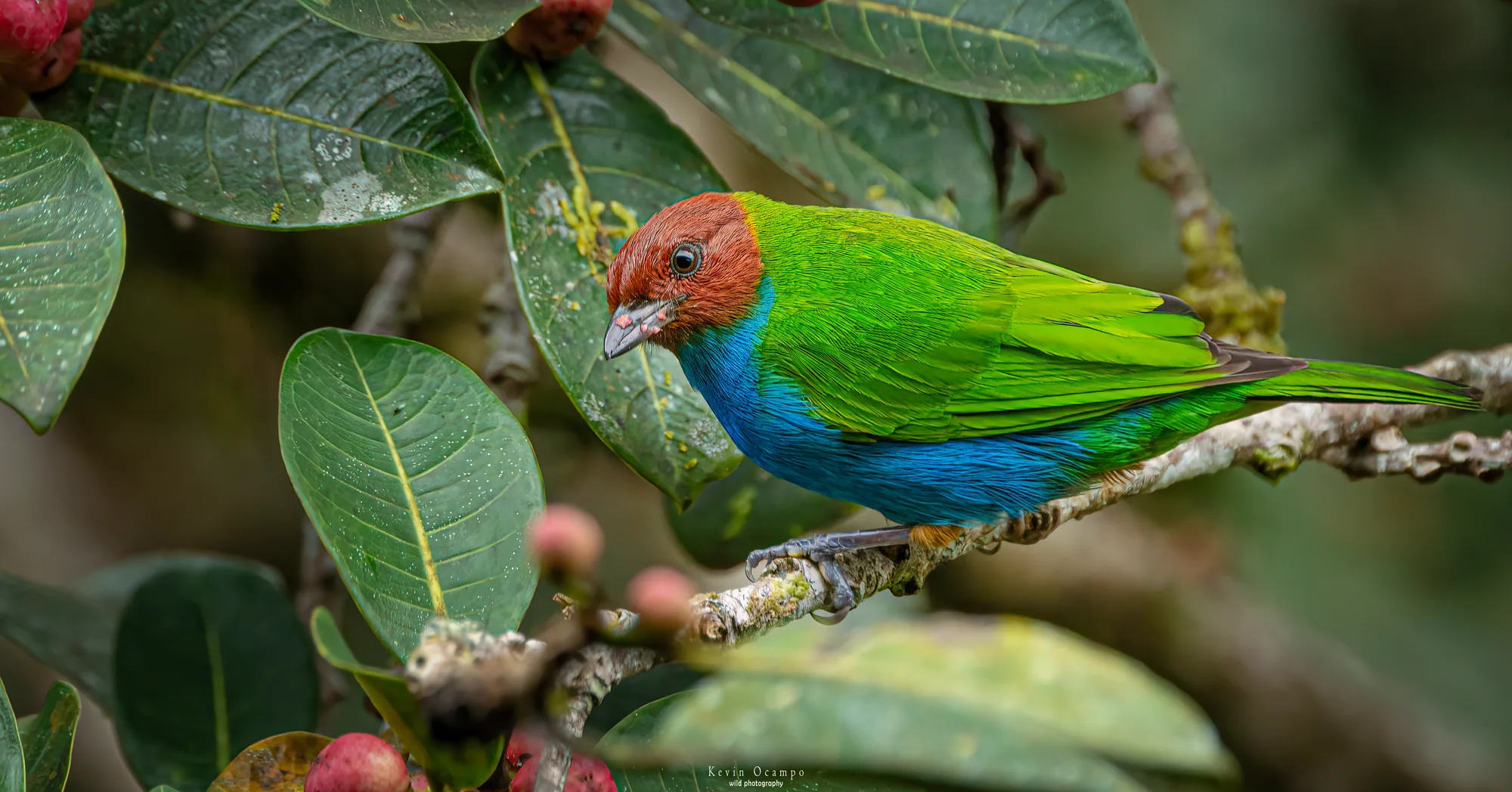
This is where the Toucan Barbet, the tanagers, euphonias and woodcreepers come in.
Terrace
Hermits, coronets, emeralds and long-tailed hummingbirds coming and going all day. The ficus canopy sits right in front.
Trail
A 700-metre trail, moderate difficulty, down to the hide facing the Andean Cock-of-the-rock lek.
The tree that started all this is still there, right in front of the terrace. When it is in fruit it is the best spot on the property: canopy birds feed at eye level.
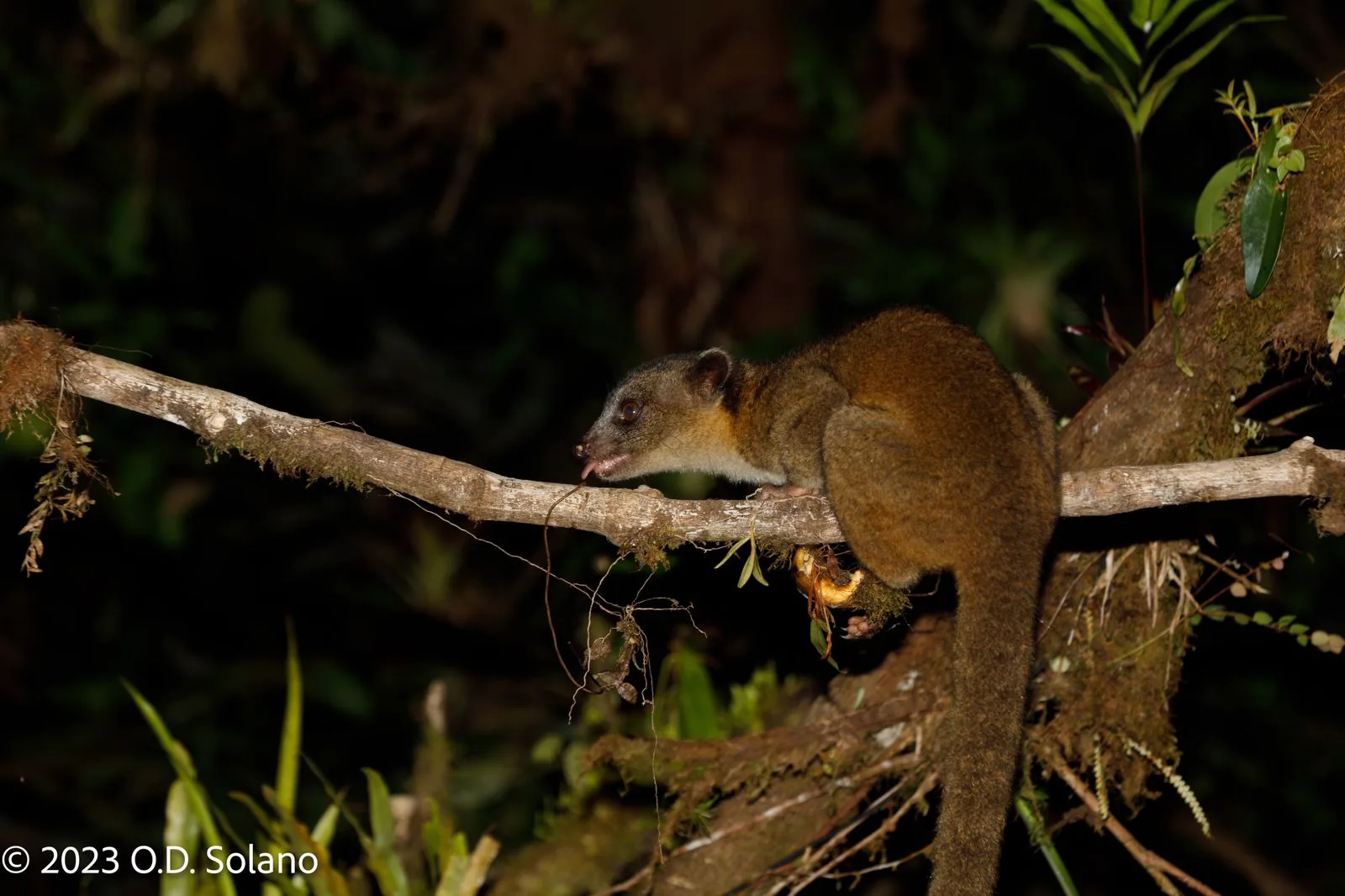
In the evening they hang plantains near the branches and the forest mammals come down. From the terrace you watch them a few metres away.
What to do
Everything is arranged directly with the family. Rates depend on group size, number of days and whether meals are included — ask on WhatsApp.
Day visit or several days
The viewing decks, open from 6 a.m. This is the plan if you came to photograph with time and light on your side.
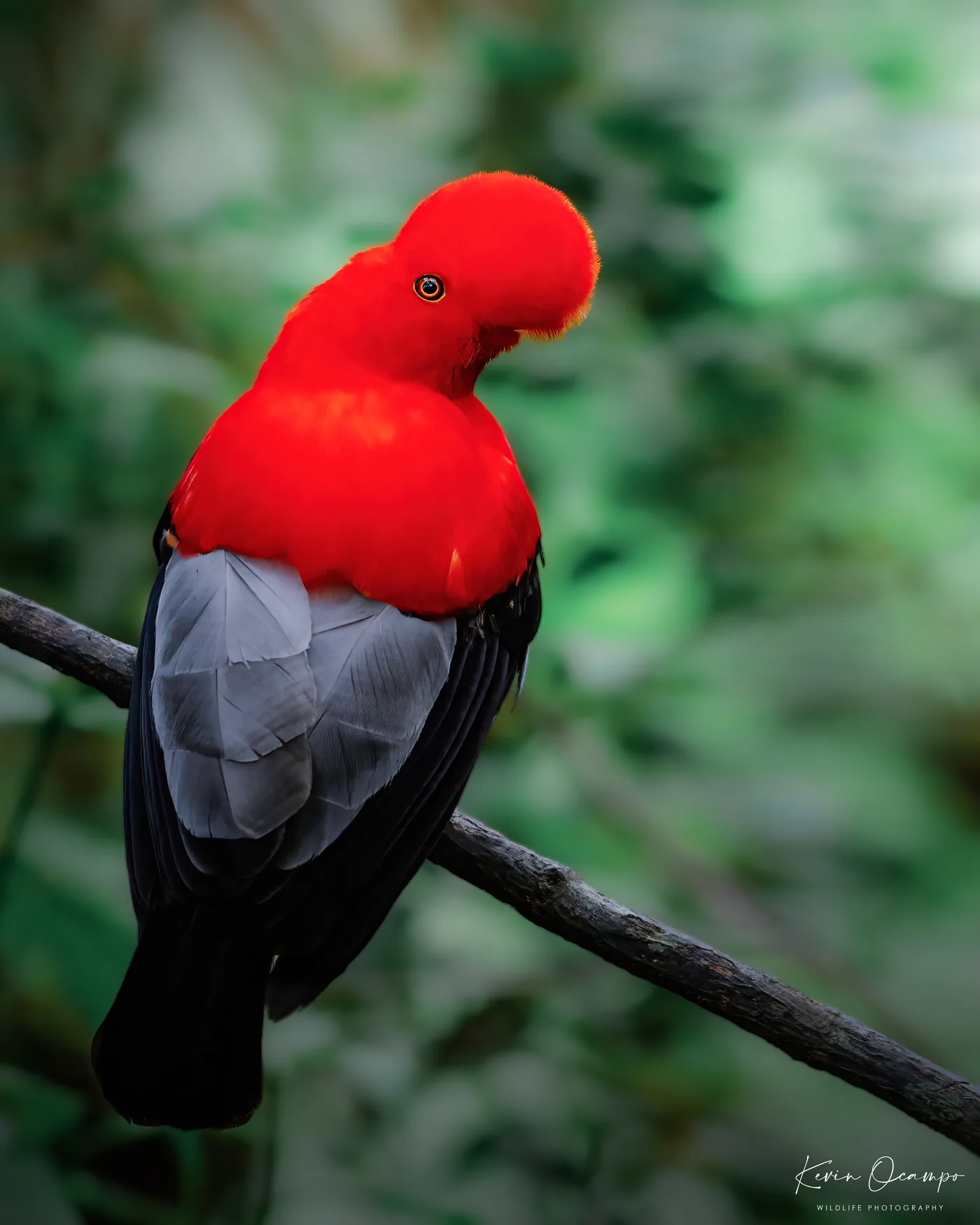
700 m trail · moderate
A lek is where the males gather to display. The Cock-of-the-rock lek is below the house: a steep, muddy descent to a hide where the birds are a few metres away. Best early.
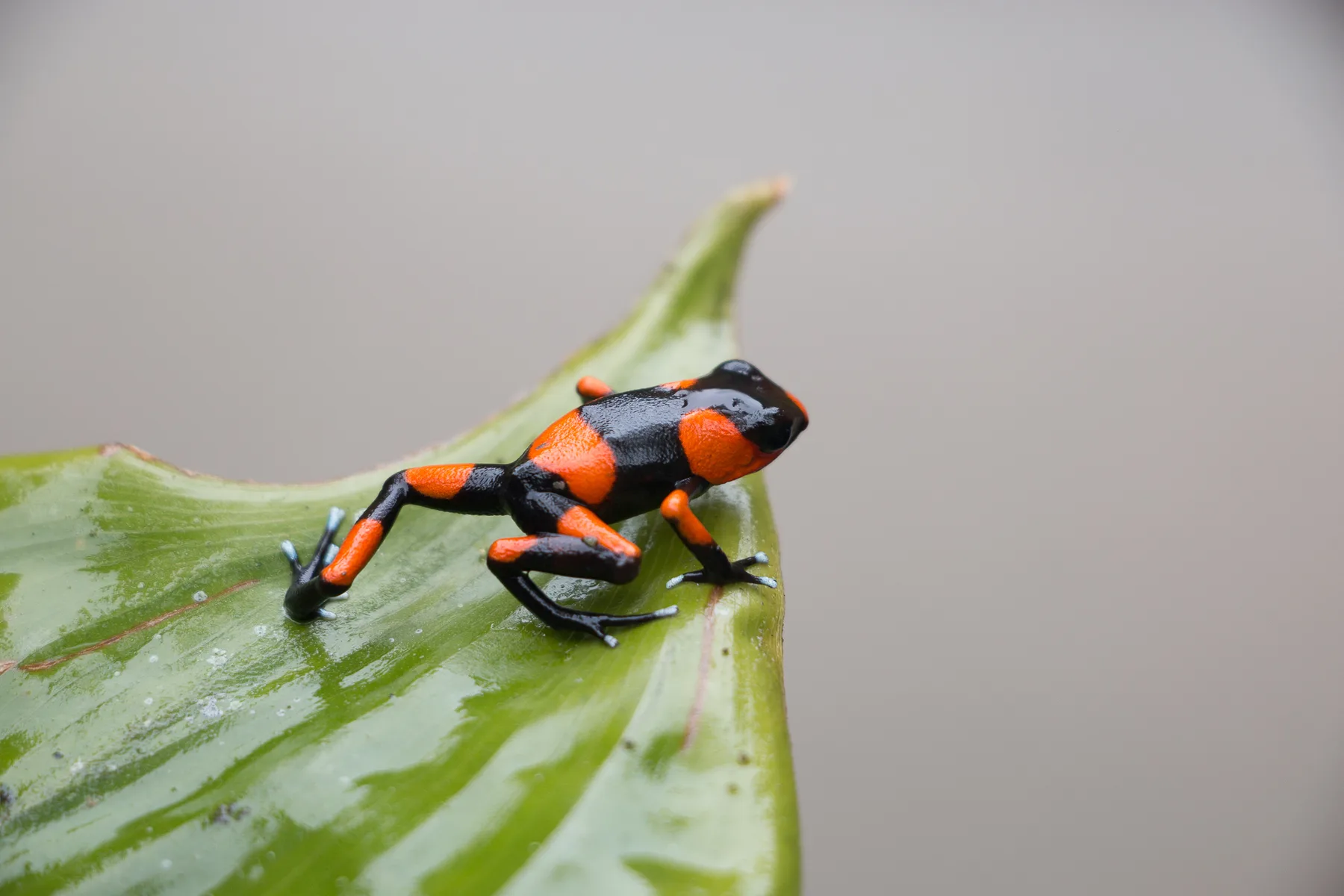
1 hour · with a local guide
A walk on jungle trails to look for Lehmann's poison frog, endemic to this basin and critically endangered. Goes with a local guide; lunch and insurance included.
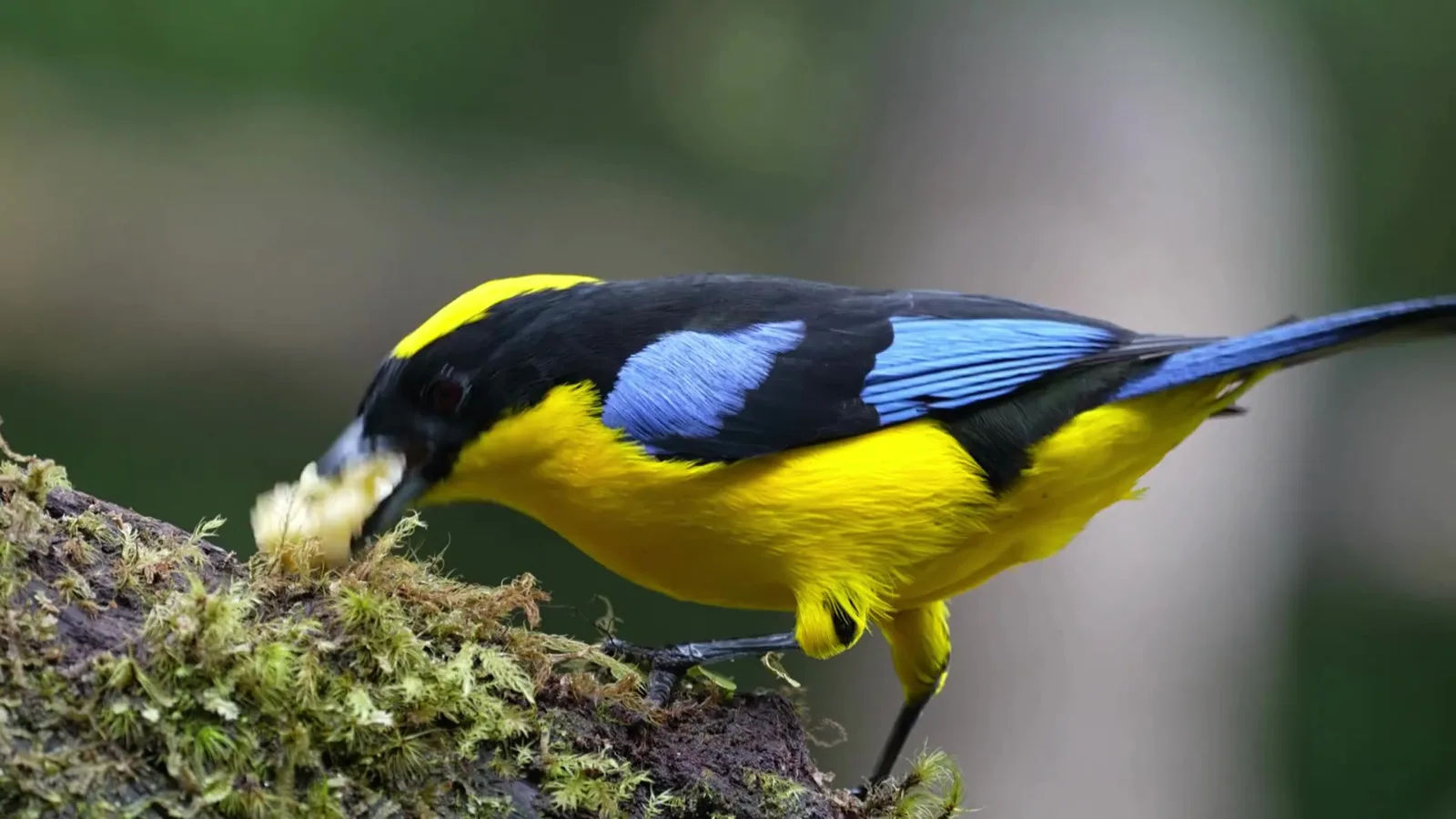
Half-day outings
The road above and below the house is part of the site: mixed flocks, Torrent Ducks on the river, raptors over the canyon and the Pacific-slope tanagers.
Rooms
If you sleep over you wake with the barbet outside the window and you are at the feeders at first light. Day visitors arrive with the sun already up.
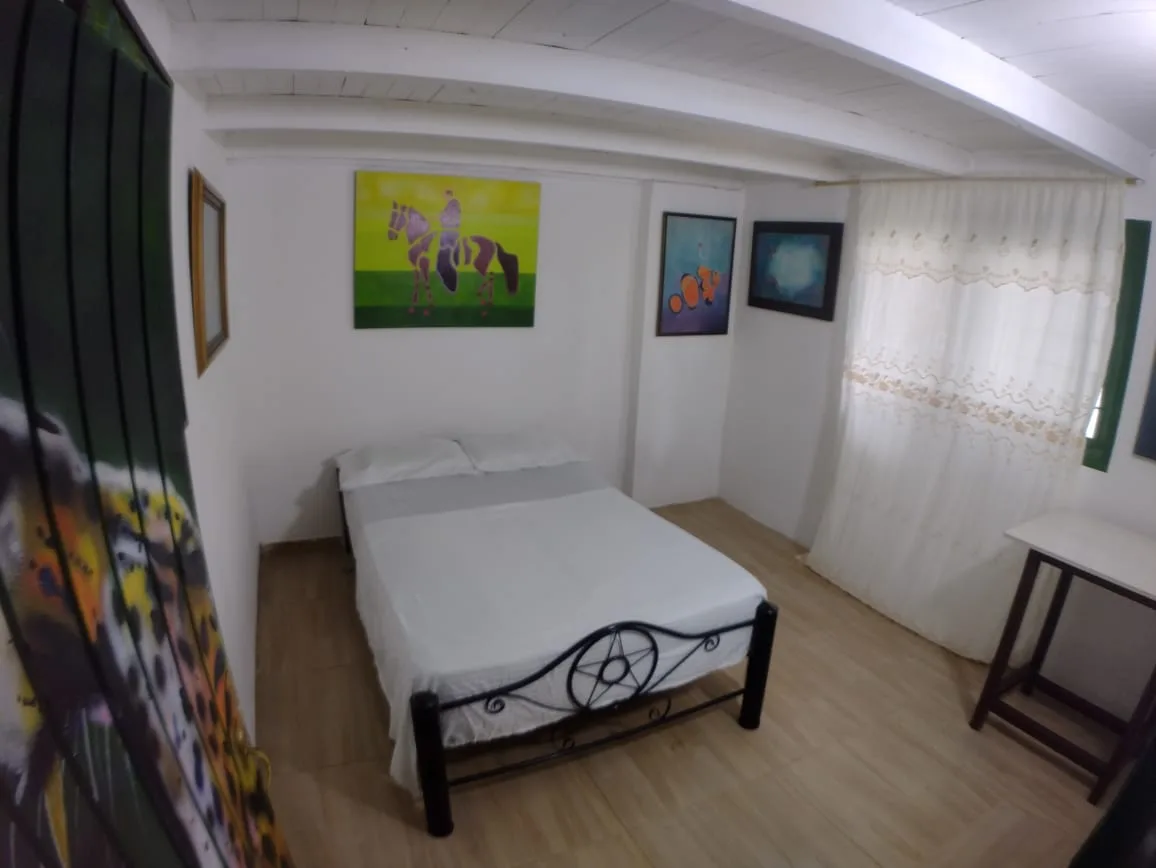
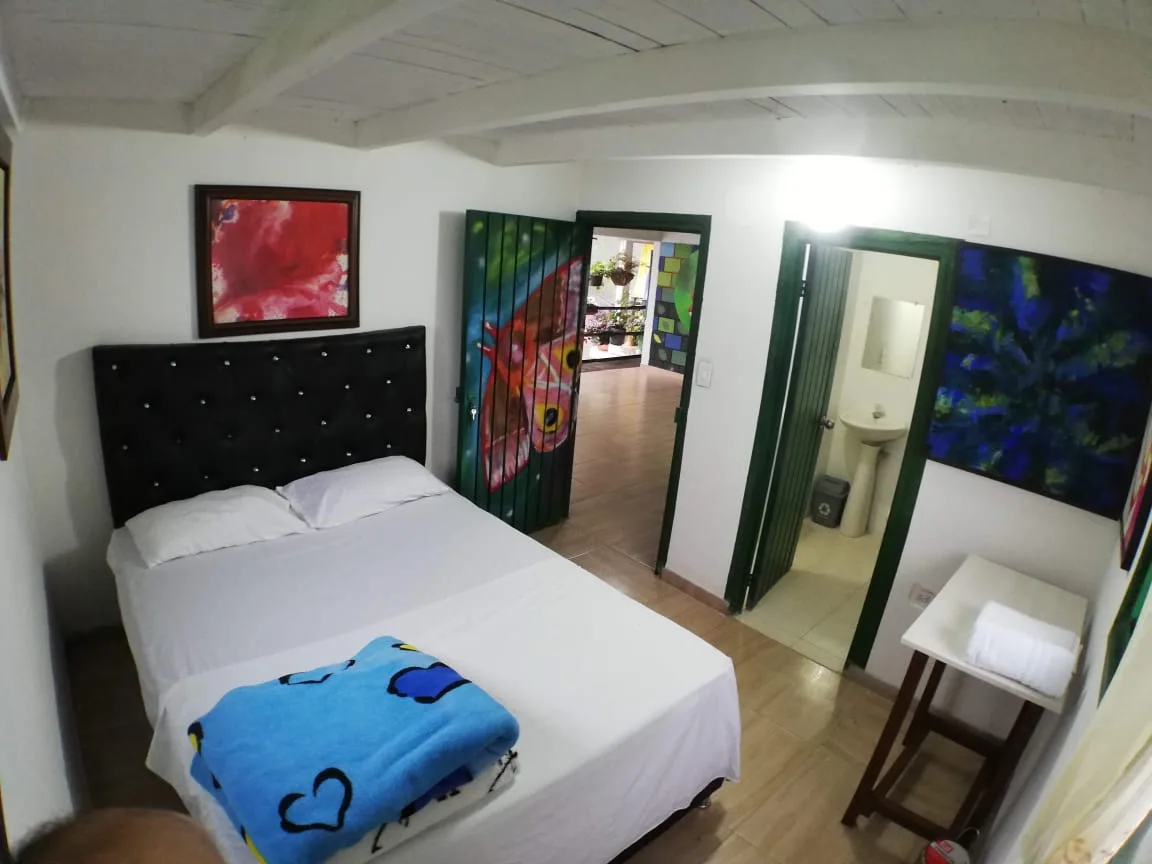
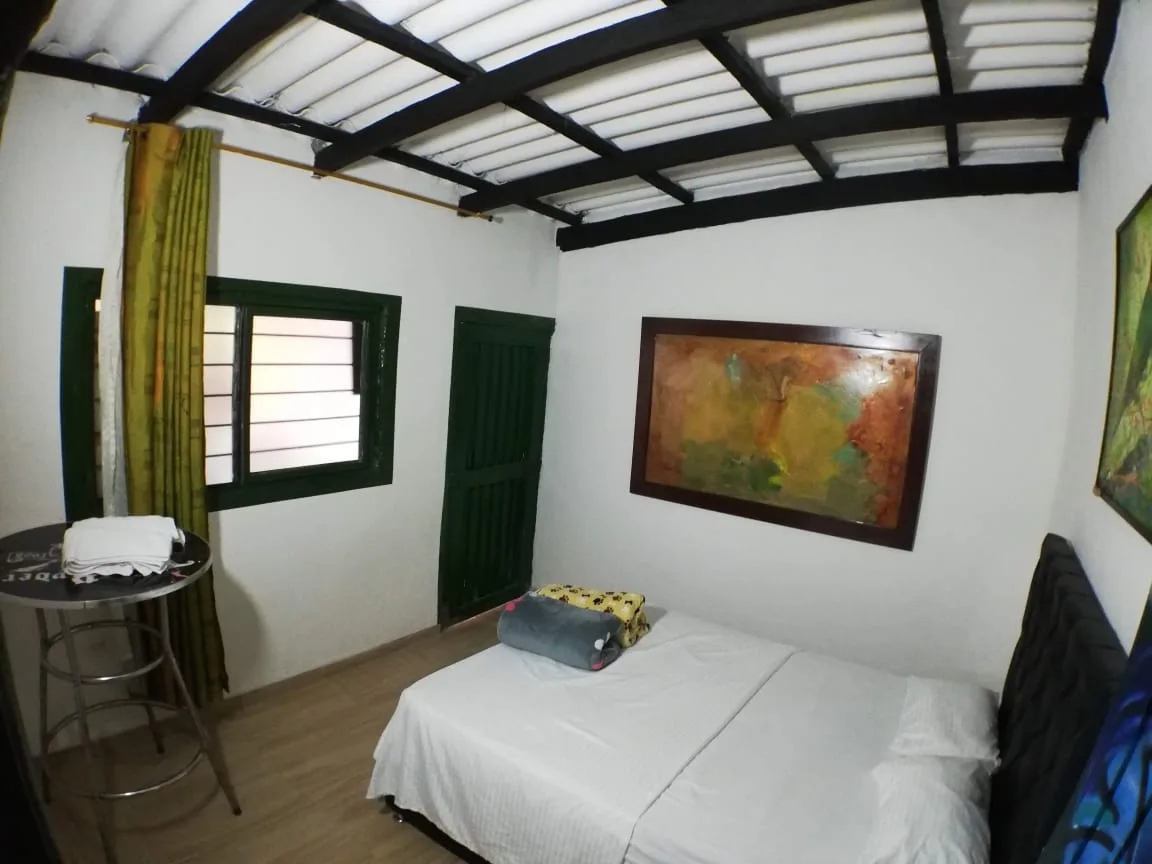
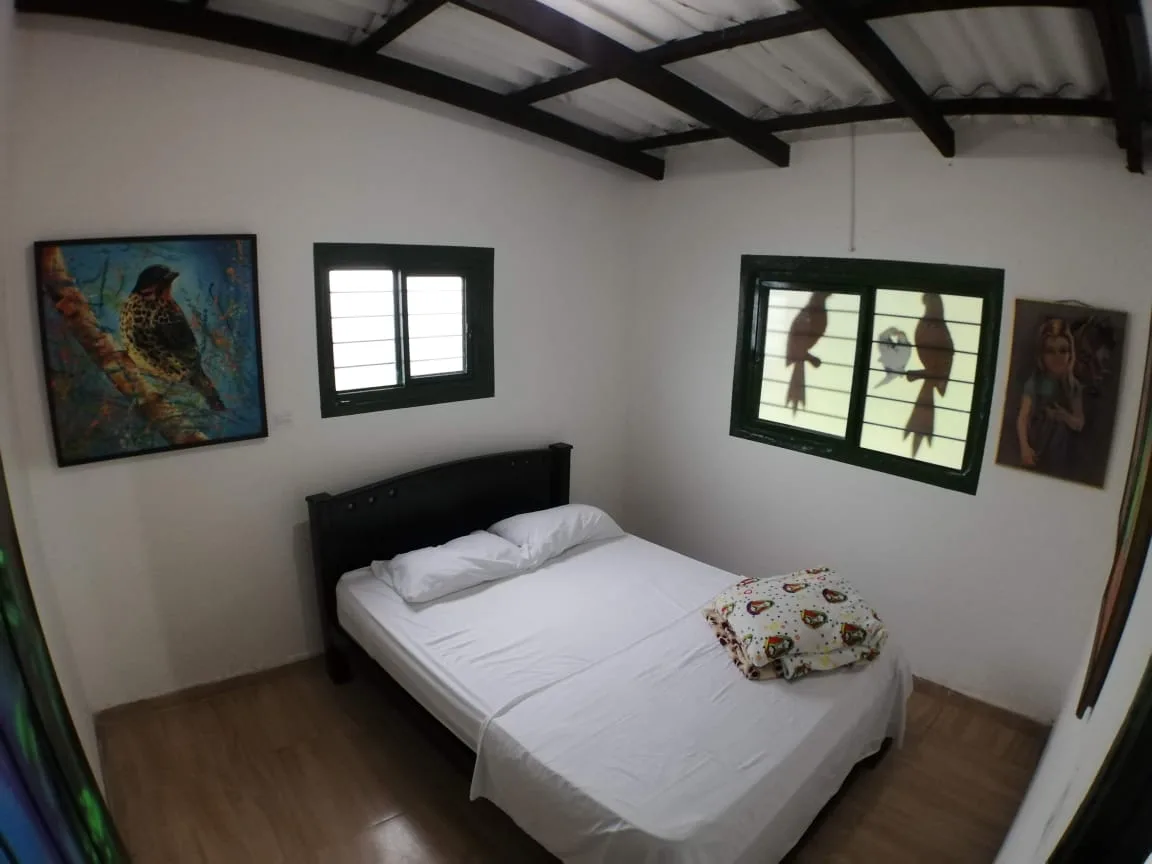
Eight guests in four rooms
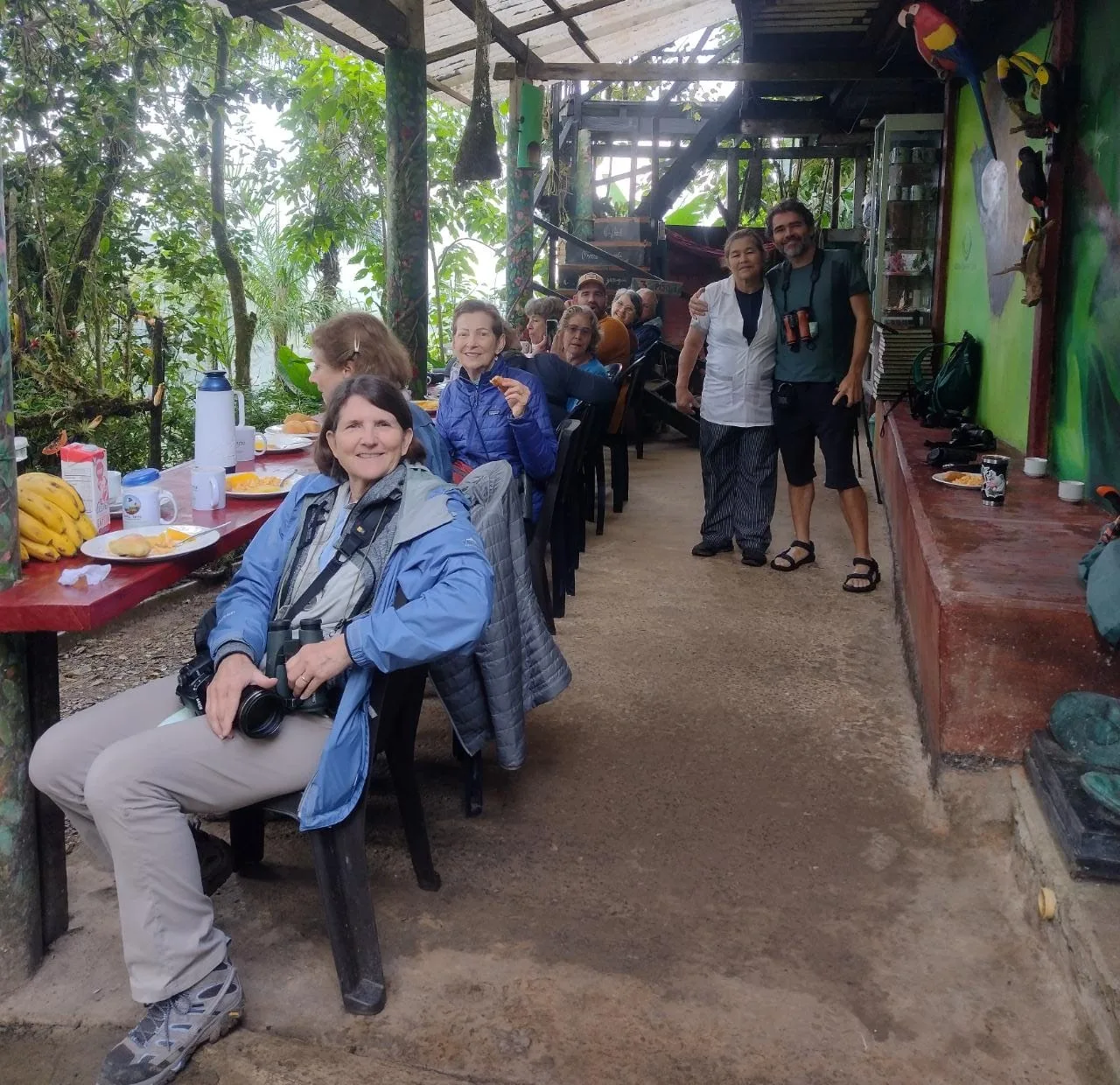
Home cooking, served on the corridor
The menu is adapted to dietary restrictions. Tell us when you book.
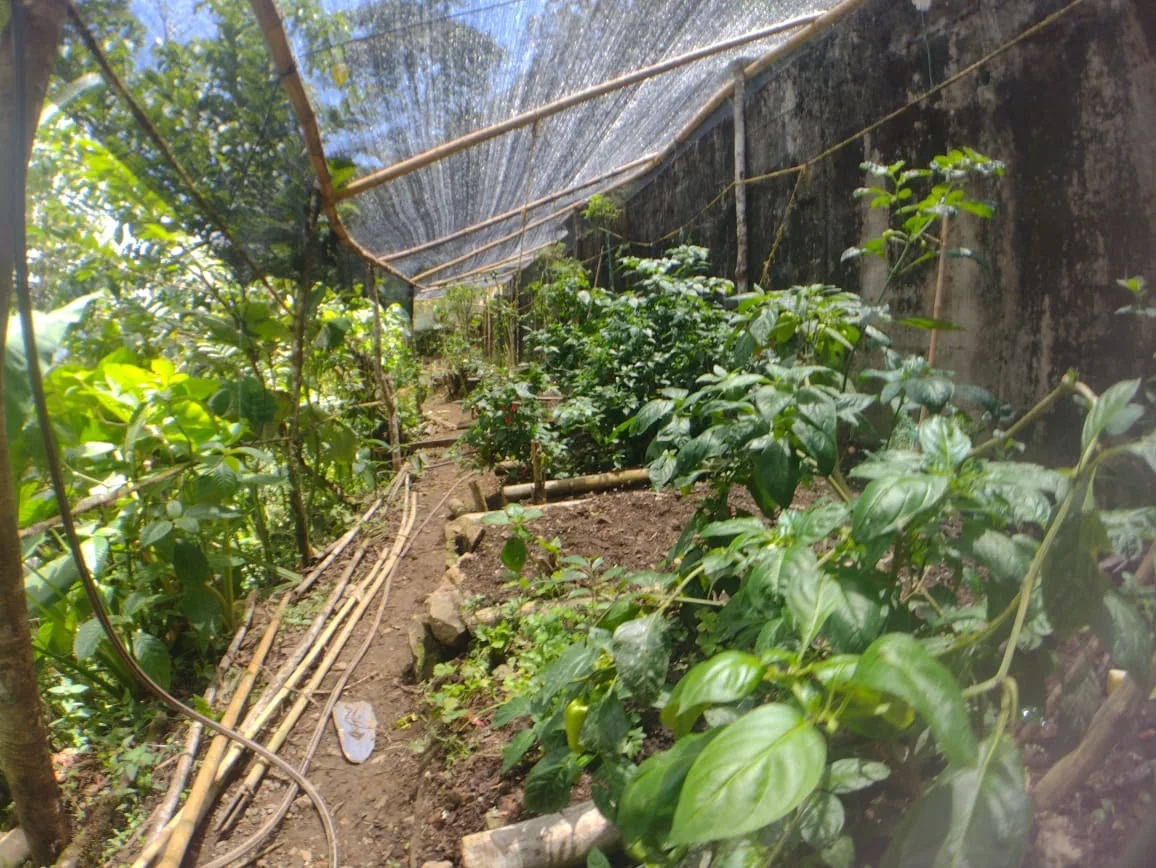
Spinach, mint, lemon balm, coriander, thyme, oregano and chilli. A good part of what reaches the table comes from here.
Two minutes away
The family opened a new space at kilometre 54, a kilometre further up the same old road. Two minutes by car from the house.
The feeders are set up differently: more room, more light coming in and the backgrounds sit far back. For photography that changes everything, because the bird separates from the background on its own.
The list is different too. Up there you get the Olive Finch, the Long-tailed Sylph (Aglaiocercus kingii) and the racket-tail hummingbird.
There is a private cabin for anyone who would rather sleep apart. Booked directly with them.
The birds
That figure covers the whole area known as the Anchicayá — the house plus the stretches of road. Four of them are Colombian endemics, 54 near-endemics and 10 are threatened.
On eBird the site is listed as «Alto Anchicayá - El Descanso (Doña Dora)». The list grows with every visit.
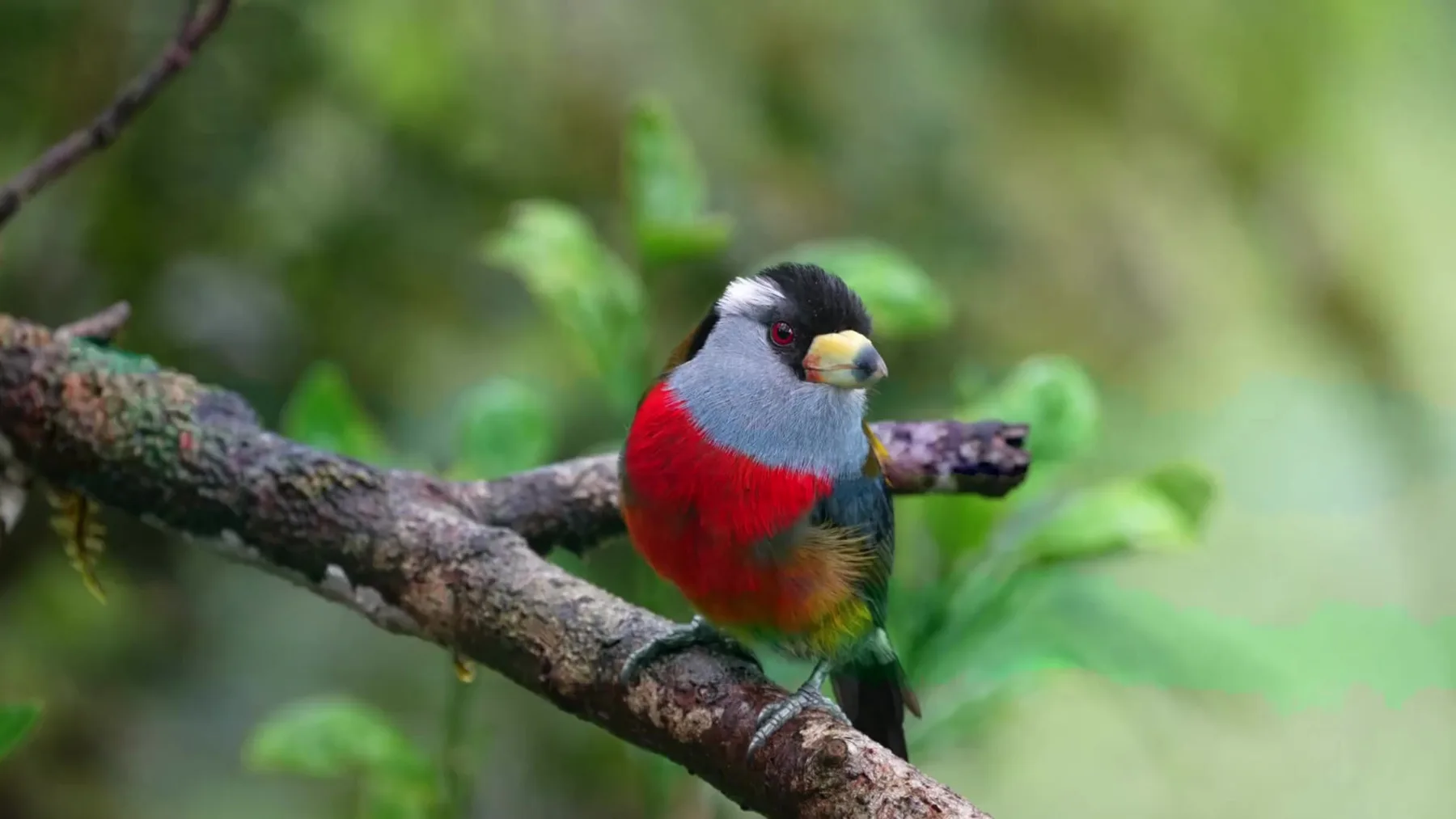
Semnornis ramphastinus
The house bird. A Chocó specialty, at the feeders almost every day.
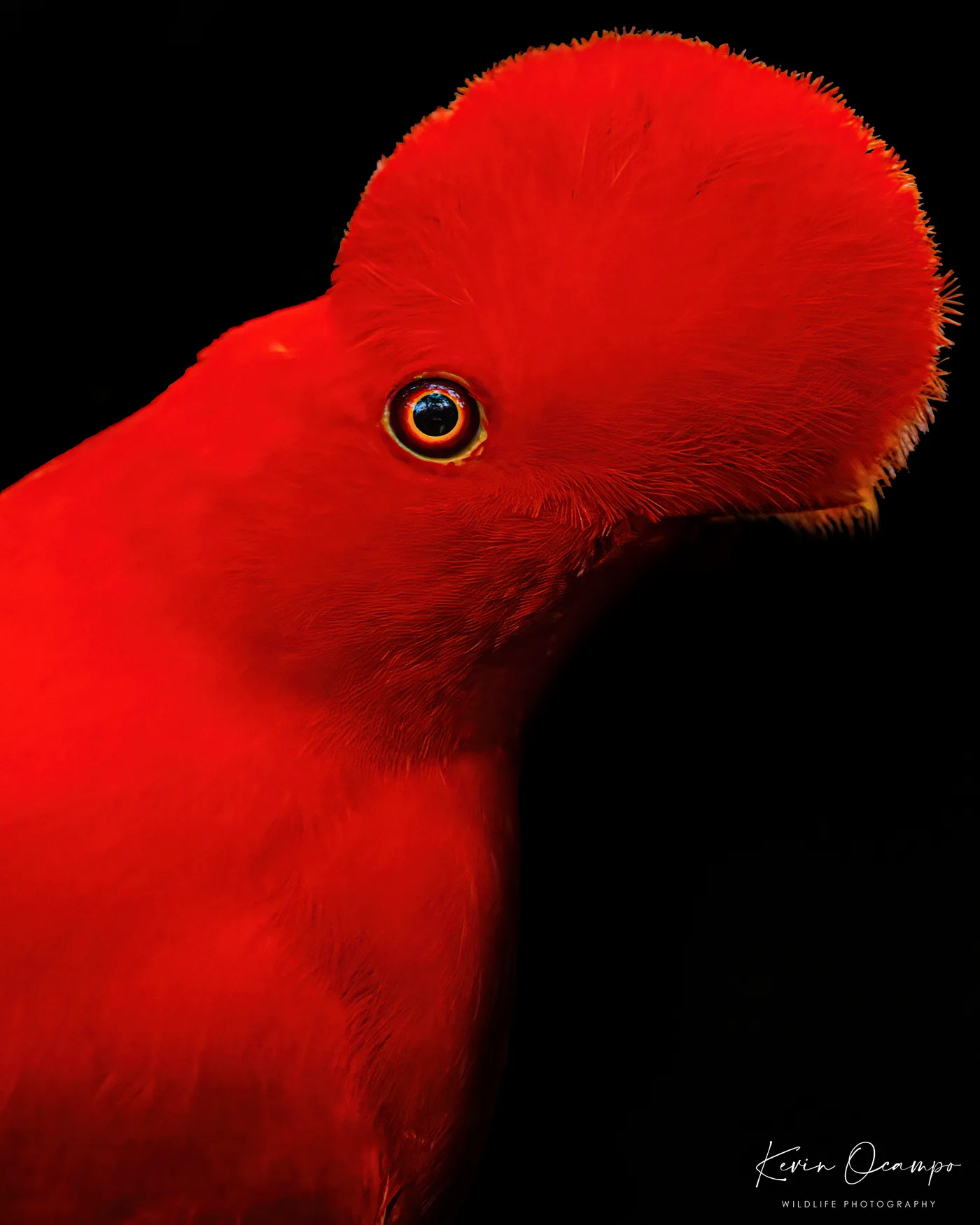
Rupicola peruvianus
At the lek, 700 metres from the house, with a hide built for photography.
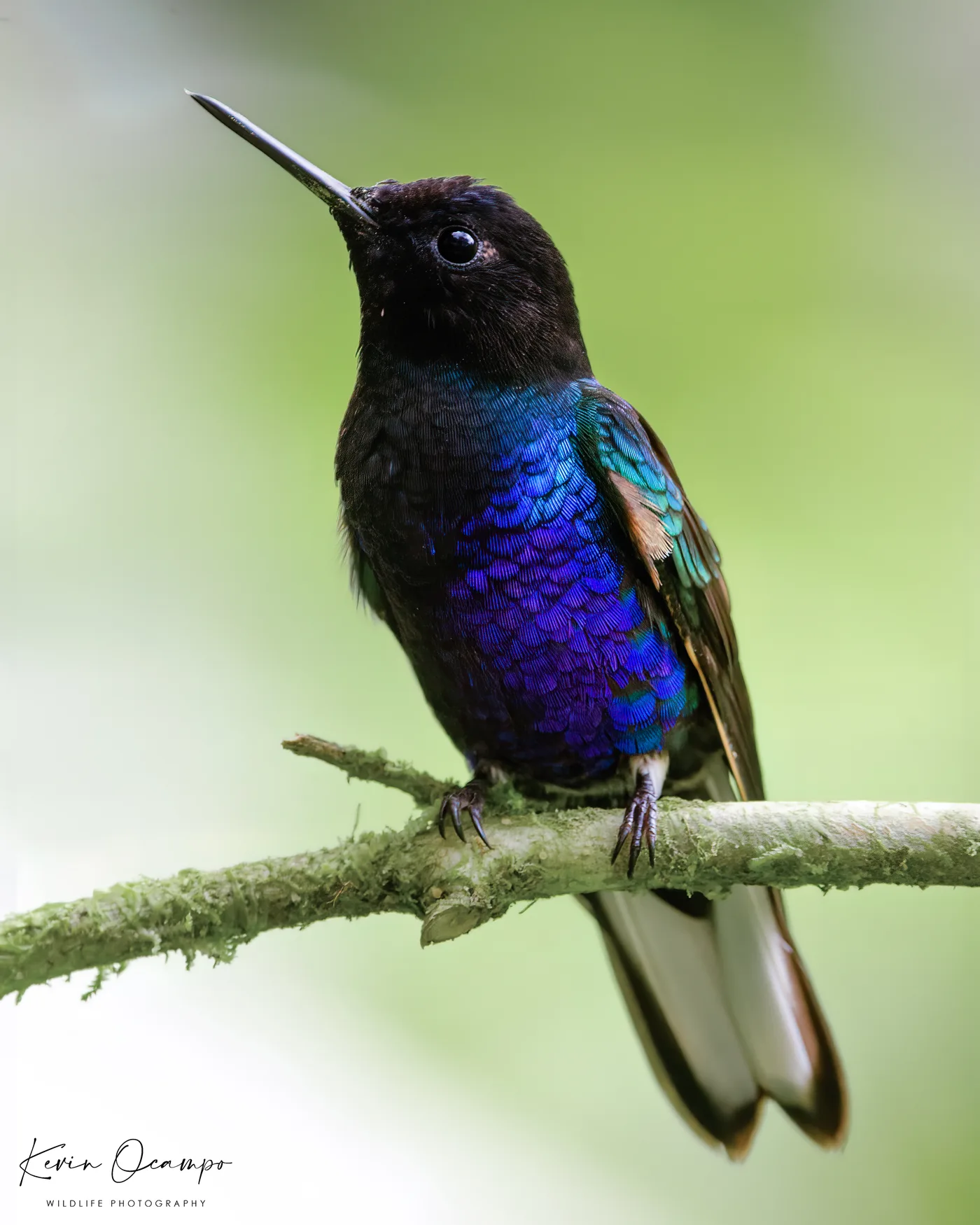
Boissonneaua jardini
One of the most wanted hummingbirds here. It turns up at the feeders if you wait.
And the long list: Pacific-slope tanagers, toucanets, guans, honeycreepers, woodcreepers, hermits and the mixed flocks that move along the road.
Gallery
Pictures taken at the house and along the Anchicayá route by the photographers who have come through.
Toucan Barbet in profile
© Kevin Ocampo
Photographs by Diego Ortiz, Kevin Ocampo, Juan Carlos Hincapié, Jaime and Alejandro Hurtado, Héctor Mauricio Londoño, Diego Jaramillo, Jayanth Sharma, Lina Ortega, Manuel Rendón, Mauro Ossa, César Olaya, Mary Yury Restrepo, Augusto Ilian, Elber Sánchez, Jairo Ernesto Gaviria, Julián Felipe Arbeláez, Óscar David Solano and Pedro Bernal.
Story
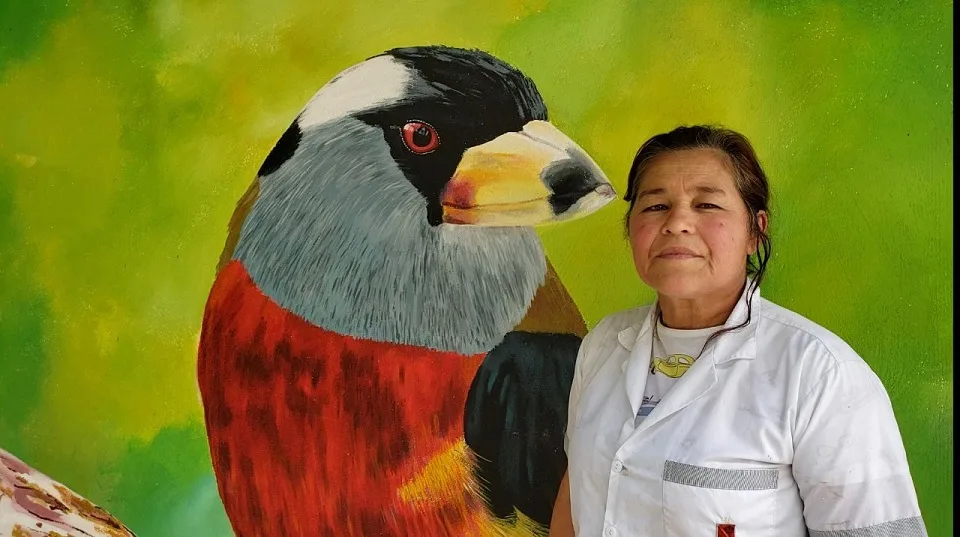
Dora Alicia Londoño reached the Anchicayá canyon in 1998, displaced by the war, and built a house at the side of the road. In 2010 she put out a board of plantains for the birds. Her son Elber wrote the book that tells the rest.
Getting here
The house is on the Simón Bolívar road, the old Cali–Buenaventura route, past El Queremal. About 55 kilometres from Cali: a good hour and a half of mountain driving.
Parking is on the road itself and fills up when a large group arrives by bus. If you are coming in several cars, let us know in advance.
Contact
Bookings, rates, groups and dates are arranged directly with the family. WhatsApp is fastest.
They post on Instagram when the ficus is fruiting. Worth following before you plan the trip.